
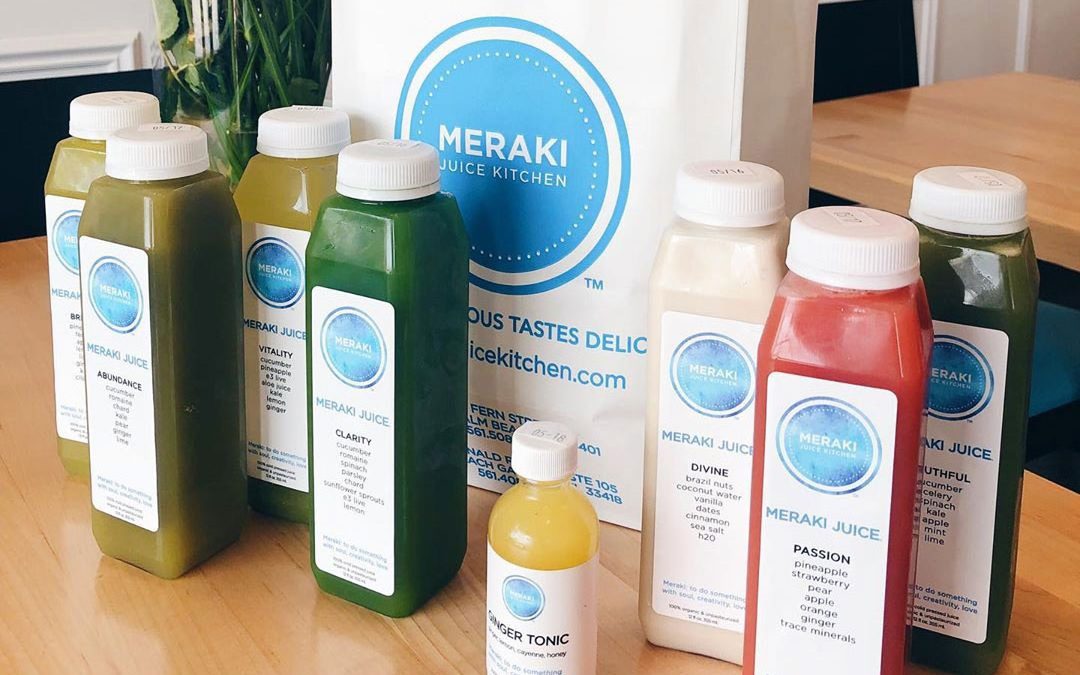
To do a juice cleanse, pick a short program (one day is the easiest place to start), ease off caffeine and heavily processed food a few days ahead, drink your juices every two to three hours with plenty of water in between, and return to regular whole-food meals gradually. Keep it short, listen to your body, and talk with your health care provider first if you have a health condition or take medication.
This article is part of our Juice Cleanse Guide.
What is a juice cleanse?
A juice cleanse is a short, planned period of drinking mostly pressed fruit and vegetable juices in place of some or all meals. Programs usually run from one to three days. People choose them as a break from their usual routine, a way to get more fruits and vegetables into a day, or a nudge toward better habits.
It helps to be realistic about what a cleanse is not. The National Center for Complementary and Integrative Health notes that a 2015 review found no compelling research supporting cleanse diets for weight management or for eliminating toxins from the body, and that any quick weight change mostly reflects eating fewer calories (source). Your liver and kidneys already handle waste removal every day. We think of a cleanse as a simple, short reset in routine, not a treatment.
Pressed juice vs. regular juice
Cold-pressed juice is made by grinding produce and then pressing the pulp to squeeze out the liquid, rather than shredding it with a fast-spinning blade. Most people choose it for its smooth texture and fresh taste. Research comparing the two methods has found little nutritional difference, so the bigger factors are ingredients, freshness and safety. Untreated juice can carry harmful bacteria (source), which is why bottled juices like ours are Certified HPP (high pressure processing).
Want the details? Read what cold-pressed juice is, or compare formats in pressed juice vs. smoothie cleanses.
How to do a juice cleanse, step by step
1. Choose a short program
If you have never done a cleanse, start with a one-day juice cleanse. It is easy to plan around and simple to stop. Look for a program with more vegetable-based juices than fruit-heavy ones, clear ingredient lists and treated (HPP or pasteurized) juice. Our guide to choosing the best juice cleanse lists the red flags to avoid.
2. Prepare for two or three days
- Taper caffeine. Stopping suddenly can bring on headaches and irritability.
- Eat simply. Lean toward vegetables, fruit, whole grains and water, and go easy on alcohol and heavily processed food.
- Plan a light schedule. Skip hard workouts and big social dinners on cleanse day.
- Refrigerate juice right away when it arrives.
3. Follow a steady schedule
Drink one bottle every two to three hours, starting in the morning, and sip water between bottles. Many people drink greener juices earlier in the day and fruit juices in the afternoon, but there is no required order.
4. Pay attention to how you feel
A juice day is much lower in calories and fiber than a normal day, so hunger, low energy or a headache can happen. If you feel dizzy, shaky or unwell, eat a simple whole-food meal. Stopping early is a perfectly good choice.
5. Ease back into regular meals
The next day, start with light, whole foods such as oatmeal with fruit, vegetable soup, salads with beans, or roasted vegetables with a whole grain. The Dietary Guidelines for Americans recommend eating vegetables and fruits in their whole form and keeping 100% juice to limited portions (source), so juice works best as part of an everyday diet built on whole foods.
How long should a juice cleanse be?
Shorter is simpler. There is no good evidence that longer cleanses do more, and restrictive diets may not give you all the nutrients you need (source). If a one-day cleanse went well and you are curious about going longer, read what to expect from a 3-day juice cleanse first, and check with your provider.
Who should talk to a doctor first
- Pregnant or breastfeeding people, older adults, children and anyone with a weakened immune system, who face higher risk from untreated juice (source).
- People with diabetes, who should follow the eating plan from their health care team (source).
- People with kidney disease or a history of kidney stones, since many green juices contain high-oxalate greens like spinach (source).
- Anyone taking medication, including warfarin, because leafy greens are high in vitamin K (source), and grapefruit can interact with some drugs (source).
- Anyone with a history of disordered eating.
Try the Meraki Juice Cleanse
The Meraki Juice Cleanse is a one-day program for $55 with three green juices, three fruit juices and one tonic. Our juices are made in our 100% plant-based West Palm Beach kitchen, are Certified HPP and ship nationwide Monday through Wednesday. See the full lineup on our cleanse page.
Keep reading: explore every article in our Juice Cleanse Guide.
This article is for general information and is not medical advice. Talk with your health care provider before making changes to your diet, especially if you are pregnant, breastfeeding, or taking medication.