
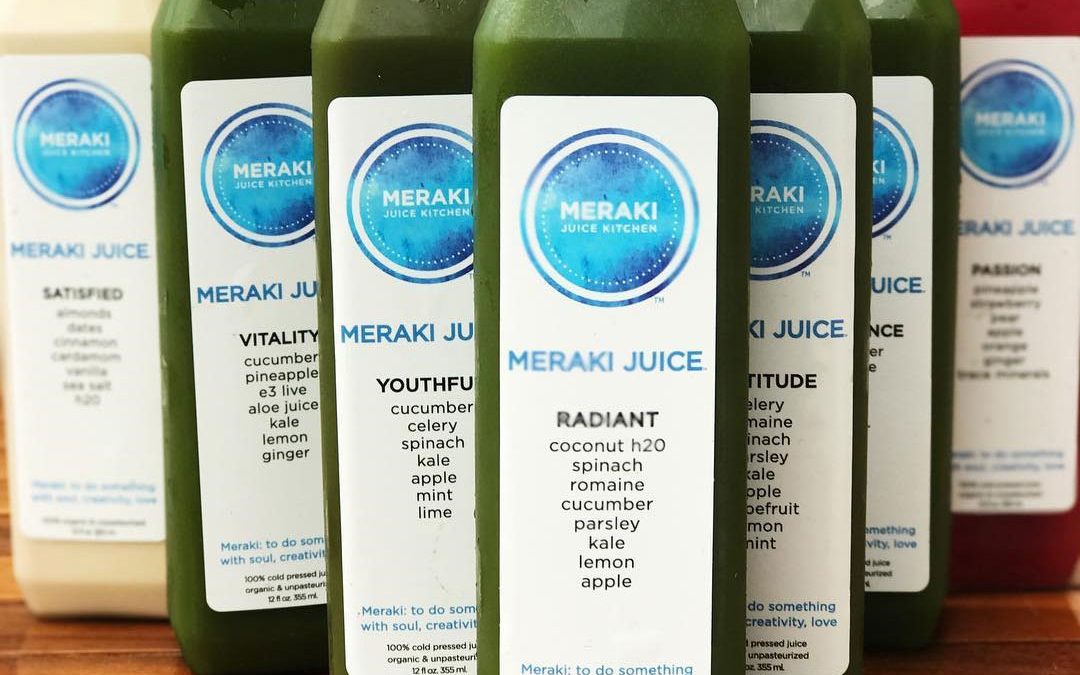
Cold-pressed juice is juice made by crushing and then pressing fruits and vegetables to squeeze out the liquid, instead of shredding them with a fast-spinning blade. The name comes from the fact that the process adds little heat. Many bottled cold-pressed juices, including ours, are then treated with high pressure processing (HPP) so they stay safe in the refrigerator without being heated.
This article is part of our Cold-Pressed Juice Guide.
We have been pressing juice in our West Palm Beach kitchen since 2015. Here is what cold-pressed juice is, how it compares to regular juice, what HPP means on a label, and where juice fits in a healthy diet.

How cold-pressed juice is made
- Wash and prep. Produce is washed, scrubbed and trimmed.
- Grind. Fruits and vegetables are ground into a pulp.
- Press. The pulp goes into a filter bag and is pressed between plates to squeeze out the juice, leaving dry pulp behind.
- Bottle and treat. Juice is bottled and, for many commercial juices, treated with HPP before it is chilled.
Once bottled, cold-pressed juice is a fresh, refrigerated product. Our guide on how to store cold-pressed juice explains how long it lasts and how to keep it cold.
Cold-pressed juice vs. regular juice
| Cold-pressed | Centrifugal (“regular”) juicer | Most store-bought juice | |
|---|---|---|---|
| How it works | Grinds, then presses pulp | Fast-spinning blade shreds produce | Varies; often heat pasteurized |
| Heat added | Very little | Some friction heat | Heat treatment is common |
| Texture | Smooth, dense | Often foamier | Varies |
| Speed | Slow | Fast | — |
You will often read that cold-pressed juice is far more nutritious than regular juice. The research is less clear. A 2019 study in the journal Heliyon compared cold-pressed and centrifugal juices made from pineapple, guava, carrot and dragon fruit, and found no significant differences in vitamin C, total phenolics, carotenoids or antioxidant capacity (source).
So why do we cold-press? We think it tastes better: smoother, richer and truer to the produce. It also handles leafy greens well, which matters for green juices like our Clarity.
What does HPP mean on a juice label?
HPP stands for high pressure processing. Sealed bottles are placed in a chamber of water under extremely high pressure, which inactivates harmful bacteria without cooking the juice.
Here is why it matters. Under the FDA’s Juice HACCP rule, juice sold to other businesses must be processed in a way shown to reduce harmful pathogens by at least 100,000-fold (a “5-log” reduction). Heat pasteurization is the most common way, and the FDA recognizes high pressure as one alternative (source). Juice sold by the glass directly to customers is exempt, and packaged juice that has not been treated must carry a warning label (source).
Our bottled juices are Certified HPP, which is part of how we supply hotels, spas, studios and cafés and ship juice nationwide.
Is cold-pressed juice good for you?
Cold-pressed juice made from fresh fruits and vegetables is a convenient way to enjoy a lot of produce, with nothing added if you choose a juice with no added sugar. It is best thought of as a complement to whole foods, not a replacement.
The 2025–2030 Dietary Guidelines for Americans advise eating whole vegetables and fruits in their original form, and say 100% fruit or vegetable juice should be consumed in limited portions or diluted with water (source). Pressing removes most of the fiber, and fruit-heavy juices contain natural sugar.
A few practical tips:
- Lean green. Juices built mostly on vegetables, like Clarity, have less sugar than fruit-forward blends.
- Keep portions reasonable. A single bottle is a serving, not a meal.
- Pair it with food that has fiber and protein.
- Check with your doctor if you take blood thinners (leafy greens are high in vitamin K), have kidney stones, or take medications that interact with grapefruit.
How long does cold-pressed juice last?
- Homemade, untreated juice: Keep it refrigerated and drink it soon. The FDA notes untreated juice can carry bacteria from produce.
- HPP bottled juice: Keep it refrigerated and follow the date on the bottle. HPP extends how long juice stays safe, but it is still a fresh, refrigerated product.
Frequently asked questions
Is cold-pressed juice pasteurized?
Not with heat. Many bottled cold-pressed juices are treated with high pressure processing instead. Untreated packaged juice must carry an FDA warning label.
Why is cold-pressed juice expensive?
It takes a lot of fresh produce, slow pressing, and for bottled juice, HPP treatment and refrigerated shipping.
Is cold-pressed juice better than a smoothie?
They are different. Smoothies keep the fiber; juice removes most of it. Many people enjoy both.
Does cold-pressed juice have sugar?
It contains the natural sugar in the produce. Vegetable-based juices have less; fruit juices have more. Check the label for added sugar.
Try Meraki cold-pressed juice
We press our juices in our own West Palm Beach kitchen, and our bottles are Certified HPP. Start with a green like Clarity or Abundance, or something brighter like Passion. Want to compare? Read our green juice guide or cold-pressed orange juice vs. store-bought. Running a hotel, spa, studio or café? Ask about wholesale.
Keep reading: explore every article in our Cold-Pressed Juice Guide.
This article is for general information and is not medical advice. Talk with your health care provider before making changes to your diet, especially if you are pregnant, breastfeeding, or taking medication.