
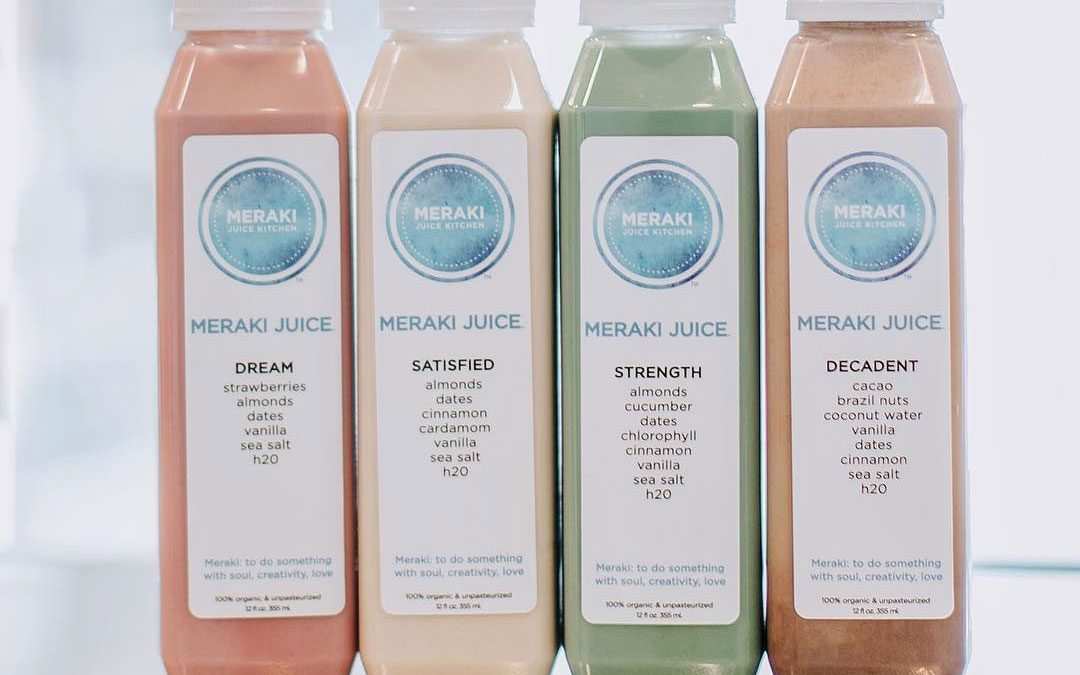
A 3 day juice cleanse means drinking mostly cold-pressed juice and water for three days in place of regular meals. Most programs follow a similar pattern: about six bottles a day, spaced every two to three hours, with water in between. It is not a medical treatment, the research behind cleanses is thin, and some people should skip it entirely. Below is what to expect, how to prepare and how to ease back into regular eating.
If you are new to the topic, start with our Juice Cleanse Guide, which covers the basics, safety and how to choose a program.
What Is a 3-Day Juice Cleanse?
A three-day cleanse is a longer version of a one-day juice plan. For a set period, bottled juices take the place of solid food. Most lineups mix vegetable-forward green juices, fruit-based juices and sometimes a small tonic or shot.
People usually try one as a short break from heavily processed food, a way to get more fruits and vegetables into their day, or a nudge toward a new routine. It is also worth being clear about what a cleanse is not.
According to the National Center for Complementary and Integrative Health (NCCIH), a 2015 review found no compelling research to support these diets for weight management or for eliminating toxins from the body (source).
A Sample Day: What a Typical Format Looks Like
Every program is a little different. The schedule below shows a common format, not medical advice. Adjust it to your own day, and stop if you feel unwell.
| Time | What you drink |
|---|---|
| 8:00 a.m. | A glass of water, then a green juice |
| 10:30 a.m. | Green juice |
| 1:00 p.m. | Green or fruit juice |
| 3:30 p.m. | Fruit juice |
| 6:00 p.m. | Green juice |
| 8:00 p.m. | Fruit juice or a small tonic |
| All day | Water between bottles |
There is no proven right order. What matters more is keeping bottles cold, sipping slowly and drinking water along the way.
What People Commonly Notice
Three days of juice is usually far lower in calories than your normal meals, and the NCCIH links any early weight change to that low calorie intake (source). So it is common to feel hungrier than usual, especially on the first day. Some people report feeling lower on energy, too.
If you normally drink coffee, tea or energy drinks, stopping suddenly can bring on caffeine withdrawal. MedlinePlus lists headaches, drowsiness, irritability, nausea and trouble concentrating as symptoms, and notes that they usually go away after a couple of days (source). That is one reason to cut back before you start rather than on day one.
Plan a lighter schedule, skip hard workouts, and if you feel unwell at any point, eat a regular meal.
How to Prepare
- Ease off caffeine in the days before, so withdrawal symptoms do not land in the middle of your cleanse.
- Skip alcohol in the days leading up.
- Cut back on ultra-processed foods and added sugar. The 2025–2030 Dietary Guidelines for Americans say no amount of added sugars is recommended as part of a healthy diet (source).
- Keep eating vegetables and fruit in their whole form, so the change is not abrupt.
- Choose treated juice and keep it cold. The FDA warns that juice that has not been pasteurized or otherwise treated could be contaminated with harmful bacteria (source).
Not sure you want to commit to three days? A one-day juice cleanse is a simpler way to see how juice-only eating feels for you.
How to Ease Out
Day four matters as much as day one. Instead of going straight back to a heavy restaurant meal, start with simple whole foods: vegetables, fruit, beans, whole grains and soups. The Dietary Guidelines encourage eating whole vegetables and fruits in their original form and keeping 100% juice to limited portions (source).
Our earlier post, Learn How to Do a Juice Cleanse, has more ideas for the days before and after.
What the Research Actually Says
The honest answer is that there is not much. The NCCIH notes that diets that severely restrict calories or food types usually do not lead to lasting weight loss and may not provide all the nutrients you need (source). It also reports that the FDA and FTC have taken action against companies selling cleansing products that contained hidden ingredients or were marketed with false claims about treating serious diseases.
So what can three days of juice realistically offer? A structured break from usual habits, more produce than you might normally get, and attention to hydration and routine. That is a modest, honest goal.
If you are comparing programs, our guide to choosing the best juice cleanse walks through red flags, and pressed juice vs. smoothie cleanses explains how the formats differ.
Who Should Talk to a Doctor First
A multi-day cleanse is not a good fit for everyone. Skip it, or check with your health care provider first, if any of these apply to you:
- Pregnant or breastfeeding. The FDA lists pregnant women among the groups at higher risk of serious illness from untreated juice (source).
- Diabetes. The NCCIH advises people with diabetes to follow the eating plan recommended by their health care team (source).
- Kidney disease or a history of kidney stones. The NCCIH says people prone to kidney stones should limit high-oxalate foods such as leafy greens and beets (source), and the NIDDK lists spinach among high-oxalate foods (source). Many green juices contain these ingredients.
- Taking medication, including warfarin. Leafy greens are high in vitamin K, and people taking warfarin are advised to keep their vitamin K intake consistent (source). Grapefruit juice can also interact with some drugs (source).
- A history of an eating disorder. A day built around restriction may not be a healthy choice.
- Under 18 or an older adult. Children and older adults are also among the groups the FDA considers at higher risk from untreated juice (source).
- A weakened immune system. Choose only pasteurized or otherwise treated juice, and check with your care team first (source).
FAQ
How many juices do you drink on a 3 day juice cleanse?
Many programs use about six bottles a day plus water. Meraki’s one-day cleanse includes seven bottles: three green juices, three fruit juices and one tonic.
Can I eat during a juice cleanse?
Yes. A cleanse is not a test of willpower. If you are very hungry or feel unwell, eat a simple meal of whole foods such as vegetables, fruit or soup.
Is a 3-day cleanse a good way to manage weight?
It is not a weight-management tool. The NCCIH notes that any early change comes from low calorie intake and tends to reverse once normal eating resumes (source).
Is three days better than one?
There is no good evidence that a longer cleanse does more. One day lets you see how you feel first.
Start With One Day
Meraki does not sell a three-day program. Our Meraki Juice Cleanse is a one-day cleanse for $55: three green juices, three fruit juices and one tonic, made in our plant-based West Palm Beach kitchen. Our juices are Certified HPP, and online orders ship nationwide Monday through Wednesday.
Try one day first and notice how you feel. If a longer plan seems appropriate for you, talk with your health care provider before adding days. You can see the full lineup on our cleanse page or return to the Juice Cleanse Guide for more reading.
This article is for general information and is not medical advice. Talk with your health care provider before making changes to your diet, especially if you are pregnant, breastfeeding, or taking medication.