
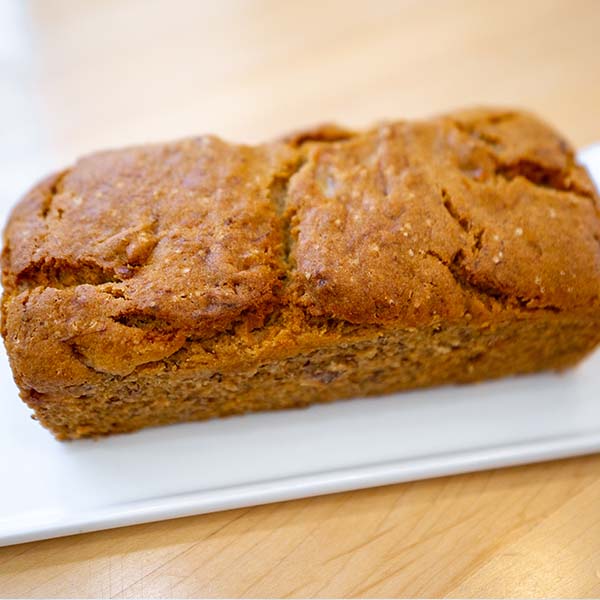
Gluten free baked goods let cafés and coffee shops serve guests who avoid gluten without losing the pastry sale. When buying wholesale baked goods, look for products that meet the FDA’s gluten-free definition (less than 20 ppm gluten), a supplier that controls cross-contact in production, and simple handling steps behind your own counter.
This guide is part of our Wholesale Buyer Guides for Palm Beach area businesses. It explains why cafés add gluten-free options, what the label means, why a dedicated facility helps, how to store and display baked goods, and which coffee drinks pair well with them.
Why cafés add gluten-free options
Some guests avoid gluten because they have to. Celiac disease is a chronic condition that damages the small intestine and is triggered by eating foods containing gluten; experts estimate about 2 million people in the United States have it (source). People with celiac disease need to remove gluten, found in wheat, barley, rye and triticale, from their diet for life (source).
Others avoid gluten by preference, and plenty of groups include at least one person who does. If your pastry case has nothing for that guest, the whole group may choose somewhere else. A small, reliable gluten-free selection keeps everyone at your counter.
What “gluten-free” means on a label
The FDA’s rule says packaged foods labeled “gluten-free” must contain less than 20 parts per million of gluten, the lowest level that can be consistently detected using valid scientific methods (source). The rule applies to packaged foods, but the FDA recommends that restaurants making a “gluten-free” claim on their menus stay consistent with its definition (source).
For a café, that means two things: buy from a supplier who can stand behind the claim, and handle products so the claim still holds when they reach the guest.
Why cross-contact matters
Cross-contact happens when foods that contain gluten come into contact with gluten-free foods, and it can occur during growing, processing, storing, preparing or serving. For people with celiac disease, that contact can make gluten-free foods unsafe (source). The FDA notes that shared production equipment in manufacturing facilities is one source of cross-contact (source).
People with celiac disease are advised to ask about ingredients and preparation when eating out, so expect questions and train staff to answer them honestly.
Why a dedicated gluten-free and dairy-free facility helps
Meraki Juice Kitchen’s 5,000 sq ft West Palm Beach kitchen is 100% plant based, gluten free and dairy free. Because no wheat flour or dairy comes through our production space, a major source of gluten cross-contact is removed before products ever reach you. Every baked good we make is gluten free and dairy free, which also helps guests avoiding milk, one of the FDA’s nine major food allergens (source).
A dedicated facility does not replace good handling in your café, and plant-based does not mean free of every allergen. Ask for ingredient and allergen details on each item you carry, and keep them available for staff.
Storage and display tips
- Keep gluten-free items separate. Use their own tray, shelf or covered section rather than sharing space with wheat pastries.
- Use dedicated tongs and parchment. Color-coded tongs make it easy for busy baristas.
- Keep items wrapped when possible. Individually packaged items like a single chocolate chip cookie are simplest to protect.
- Label clearly. A small card with the item name, “gluten free, dairy free” and allergen notes answers questions before they are asked.
- Follow the supplier’s storage guidance. Ask how each item should be stored and how long it holds, then rotate first in, first out.
- Wash hands and change gloves before handling gluten-free items after touching other pastries.
Pairing Meraki baked goods and snacks with coffee drinks
| Meraki item | Coffee pairing | Why it works |
|---|---|---|
| Chocolate Chip Cookie | Cold brew or iced latte | A classic sweet with a smooth, chilled coffee |
| Banana Bread Slice | Drip coffee or cappuccino | A morning staple that suits a simple cup |
| Brownie Bites | Espresso or Americano | Rich chocolate balances a bold shot |
| Donut Holes (vanilla) | Vanilla or plain latte | Bite-size and easy to share |
| Blueberry Donut Holes | Iced coffee | Fruity and light for warm afternoons |
| Cini-Minis | Chai latte or cappuccino | Cinnamon and warm spice notes |
| Homemade Bread Loaf | Any coffee with a toast menu | Slice for gluten-free toast offerings |
| Maple Granola | Pour-over | Works as a topping or grab-and-go snack |
| Meraki Crispies or Kale Chips | Afternoon cold brew | A savory option for non-sweet guests |
Many cafés also add a small cooler of cold-pressed juice next to the pastry case. Our wholesale cold-pressed juice buyer’s guide covers what to ask a juice supplier, and our guide to refreshments for spas and studios shows how studios run a grab-and-go fridge with the same products.
FAQ
What does “gluten-free” mean under FDA rules?
For packaged foods, it means the food contains less than 20 ppm gluten and meets the rest of the FDA’s requirements (source).
Can a café with a regular kitchen sell gluten free baked goods?
Yes, but cross-contact is the main risk. Keep gluten-free items separate, use dedicated utensils and be clear with guests about how items are handled.
Are Meraki’s baked goods also dairy free?
Yes. All of our baked goods are gluten free and dairy free, made in a 100% plant based facility.
How do I order Meraki wholesale baked goods?
Email Maryanne with your café’s details. Contact us for delivery area, minimums and pricing.
Add Meraki gluten-free baked goods to your café
We deliver gluten-free, dairy-free baked goods, snacks and cold-pressed juice to coffee shops, hotels, spas, studios and private clubs in the Palm Beach area. Visit our wholesale page or email maryanne@merakijuicekitchen.com to start a conversation, and order samples from our online shop. Find more resources in our Wholesale Buyer Guides.
This article is for general information and is not medical advice. Talk with your health care provider before making changes to your diet, especially if you are pregnant, breastfeeding, or taking medication.