
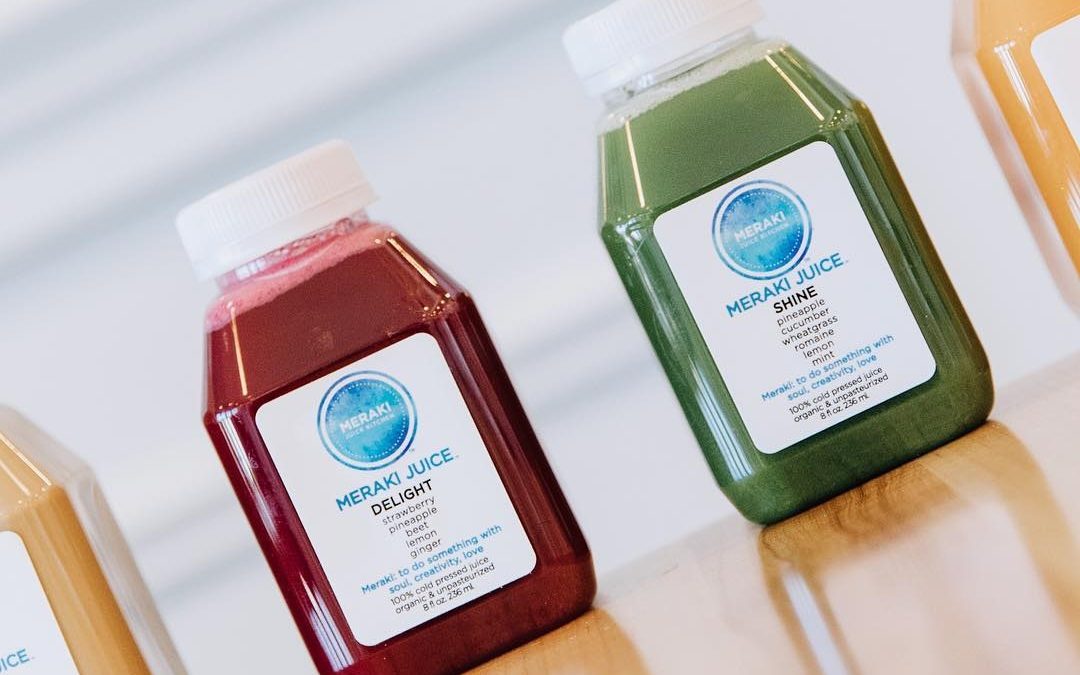
The best juice cleanse is one that uses pasteurized or high pressure processed (HPP) juice, leans on vegetables rather than sugar, lists every ingredient, skips laxatives and pills, makes modest claims, arrives cold and lets you try a single day first. Price and branding matter far less than those basics. Use the checklist below to compare programs with a clear head.
For background on how cleanses work and what the evidence says, see our Juice Cleanse Guide.
1. Start With Safety: Treated vs. Untreated Juice
This is the most important question to ask. The FDA explains that unless produce or juice has been pasteurized or otherwise treated to destroy harmful bacteria, the juice could be contaminated. Children, older adults, pregnant women and people with weakened immune systems face the highest risk (source).
Packaged juice that has not been treated must carry a warning label stating that it has not been pasteurized and may contain harmful bacteria (source). Juice sold to other businesses must meet a 5-log (100,000-fold) pathogen reduction, which can be reached through heat pasteurization or alternatives such as high pressure (source).
Look for “pasteurized,” “HPP” or “high pressure processed” on the label or product page. If you cannot find it, ask. Meraki’s juices are Certified HPP. Our guide to cold-pressed juice and HPP explains the process in more detail.
2. Look for a Vegetable-Forward Lineup
Count the bottles. A lineup that is mostly fruit juice will taste sweeter, but the 2025–2030 Dietary Guidelines for Americans recommend 100% juice in limited portions and say no amount of added sugars is recommended (source). Programs with several green juices built on cucumber, leafy greens and lemon are a better sign than a day of sweetened fruit blends.
A balanced program can still include fruit. Meraki’s one-day cleanse, for example, pairs three green juices with three fruit juices and one tonic.
3. Demand Ingredient Transparency
Every bottle should have a full ingredient list, not a “proprietary blend.” This matters for allergies, taste and medication. Grapefruit juice, for instance, can interact with some drugs (source), and leafy greens are high in vitamin K, which matters for people taking warfarin (source).
Transparency also means naming sweeteners and water. Our Clarity juice lists cucumber, kale, spinach, parsley, chard and lemon. Our Ginger-Aid lists ginger, lemon, light agave and water. You should be able to see that kind of detail for any program you buy.
4. Skip Laxatives, Cleansing Teas and Pills
A juice cleanse should be juice and water. The NCCIH warns that some cleanse programs include laxatives, which can cause diarrhea, and that acute diarrhea can lead to dehydration (source). The agency also reports that the FDA and FTC have taken action against companies selling cleansing products that contained hidden ingredients and may pose a significant health risk. If a kit bundles teas, capsules or powders with vague purposes, walk away.
5. Compare the Claims
Read the marketing as carefully as the label. The NCCIH notes that a 2015 review found no compelling research to support these diets for weight management or for eliminating toxins from the body (source). A trustworthy company will talk about modest things: more fruits and vegetables, a short break from heavily processed food, hydration and taste. Promises about organs, disease or dramatic body changes are a sign to look elsewhere.
6. Check Shipping and the Cold Chain
Treated juice still needs refrigeration. Before ordering, check how the company packs bottles, which days it ships and what happens if a box arrives warm. Put bottles in the refrigerator as soon as they arrive. Meraki ships online orders nationwide Monday through Wednesday.
7. Work Out the Price Per Bottle
Divide the total price by the number of bottles, and note the bottle size. Meraki’s one-day cleanse is $55 for seven bottles, or about $7.86 each. Watch for automatic subscriptions, extra shipping fees and add-ons you did not ask for.
8. Try One Day Before Committing
A single day tells you whether you enjoy the flavors and how you feel without a large spend. Our post on the one-day juice cleanse shows what that looks like. If you are considering more, read what to expect from a 3-day juice cleanse first.
Checklist: What to Look For vs. Red Flags
| Factor | What to look for | Red flag |
|---|---|---|
| Processing | Pasteurized or HPP, stated clearly | No treatment information for a program sold to everyone |
| Lineup | Several vegetable-forward juices | Mostly fruit juice or added sugar |
| Ingredients | Full list for every bottle | “Proprietary blend” or missing labels |
| Add-ons | Juice and water only | Laxatives, cleansing teas or capsules |
| Claims | More produce, a break from processed food | Promises about organs, disease or fast body changes |
| Safety guidance | Says who should talk to a doctor first | Says it is right for everyone |
| Shipping | Insulated packing and clear ship days | No cold-chain details |
| Price | Clear total and per-bottle cost | Hidden subscriptions or fees |
| Trial | One-day option available | Multi-day packages only |
Who Should Talk to a Doctor First
Even a well-made cleanse is not right for everyone. Check with your health care provider first if any of these apply to you:
- Pregnant or breastfeeding. The FDA lists pregnant women among the groups at higher risk of serious illness from untreated juice (source).
- Diabetes. The NCCIH advises people with diabetes to follow the eating plan recommended by their health care team (source).
- Kidney disease or a history of kidney stones. The NCCIH says people prone to kidney stones should limit high-oxalate foods such as leafy greens and beets (source), and the NIDDK lists spinach among high-oxalate foods (source). Many green juices contain these ingredients.
- Taking medication, including warfarin. Leafy greens are high in vitamin K, and people taking warfarin are advised to keep their vitamin K intake consistent (source). Grapefruit juice can also interact with some drugs (source).
- A history of an eating disorder. A day built around restriction may not be a healthy choice.
- Under 18 or an older adult. Children and older adults are also among the groups the FDA considers at higher risk from untreated juice (source).
- A weakened immune system. Choose only pasteurized or otherwise treated juice, and check with your care team first (source).
FAQ
Is cold-pressed juice more nutritious than regular juice?
Not clearly. A 2019 study comparing cold-pressed and centrifugal juicing found no significant differences in the nutritional quality and antioxidant capacity it measured (source). For format differences, see pressed juice vs. smoothie cleanses.
How many days should a juice cleanse be?
There is no evidence that longer is better. One day is a sensible place to start.
Are juice cleanses safe?
Untreated juice and laxatives carry real risks (source), and some groups should check with a provider first. Choosing treated juice and keeping a cleanse short are sensible precautions.
What does a good juice cleanse cost?
Prices vary. Compare cost per bottle, bottle size, shipping and whether the juice is treated.
Try the Meraki One-Day Cleanse
The Meraki Juice Cleanse is a one-day cleanse for $55 with three green juices, three fruit juices and one tonic. It is made in our 100% plant-based, gluten-free and dairy-free West Palm Beach kitchen, with organic and locally sourced ingredients whenever possible, and our juices are Certified HPP. See the lineup on our cleanse page, or keep reading in the Juice Cleanse Guide.
This article is for general information and is not medical advice. Talk with your health care provider before making changes to your diet, especially if you are pregnant, breastfeeding, or taking medication.