
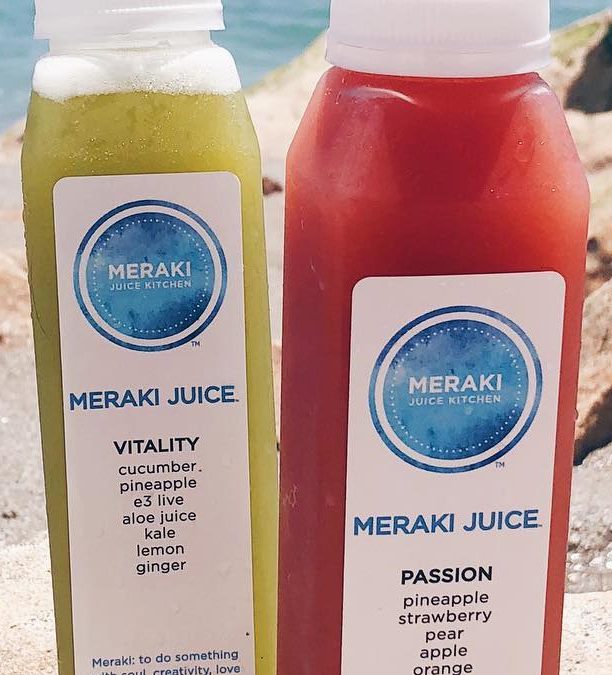
A pressed juice cleanse uses juice squeezed from fruits and vegetables under pressure, with the pulp separated out, so you drink the liquid and leave most of the fiber behind. A smoothie cleanse blends whole produce, so the fiber stays in the cup. Pressed juice is lighter and easier to sip; smoothies are thicker and closer to whole food. Neither is a medical treatment, and the right choice depends on what you want from the day.
For the bigger picture on cleanses, safety and evidence, visit our Juice Cleanse Guide.
How Pressed Juice Is Made
Cold-pressed juice starts with washed, chopped produce that is ground and then pressed to squeeze out the liquid. The leftover pulp is removed. Commercial pressed juice is then often treated to reduce harmful bacteria. The FDA notes that juice may be pasteurized with heat or treated by non-heat processes for the same purpose (source), and its juice safety guidance for businesses names high pressure as one alternative to heat (source). That non-heat step is called high pressure processing, or HPP. Meraki’s juices are Certified HPP.
You can read more about the process in our guide to cold-pressed juice.
How a Smoothie Cleanse Works
A smoothie cleanse replaces meals with blended drinks made from whole fruits and vegetables, sometimes with additions like nut butter, seeds or yogurt alternatives. Because nothing is strained out, the fiber from skins and flesh stays in the drink. Smoothies are usually made fresh at home or bought ready-made, and they tend to be thicker and more filling to drink.
Fiber and Fullness: The Biggest Difference
Fiber is the main thing that separates the two. The CDC notes that many fruit juices contain little to no fiber, so you do not feel as full when you drink them, and recommends whole fruits because their fiber helps you feel full (source). MedlinePlus adds that dietary fiber adds bulk to your diet, makes you feel full faster and helps prevent constipation (source).
In practice, that means a day of pressed juice may leave you hungrier than a day of smoothies. A smoothie keeps more of the whole food, though blending still changes texture compared with eating produce as is.
The 2025–2030 Dietary Guidelines for Americans put it plainly: eat whole vegetables and fruits in their original form, and drink 100% juice in limited portions or diluted with water (source). Neither a juice cleanse nor a smoothie cleanse replaces everyday meals built on whole foods.
Cold-Pressed vs. Centrifugal Juice: Does the Method Matter?
You will often see cold-pressed juice described as more nutritious than juice from a fast-spinning centrifugal juicer. The evidence is less clear than the marketing. A 2019 study published in Heliyon compared the two methods on several fresh juices and found no significant differences in the nutritional quality and antioxidant capacity it measured (source).
So choose pressed juice for its texture, taste and the processing and safety standards behind it, not for a promise of extra nutrients.
Safety: Why Treatment Matters for Both
Whether you drink juice or smoothies, food safety comes first. The FDA warns that untreated juice could be contaminated, and that children, older adults, pregnant women and people with weakened immune systems risk serious illness from it (source). The FDA also advises washing and scrubbing produce. If you make smoothies at home, scrub produce, keep your blender clean and refrigerate anything you do not drink right away.
Pressed Juice Cleanse vs. Smoothie Cleanse at a Glance
| Factor | Pressed juice cleanse | Smoothie cleanse |
|---|---|---|
| How it is made | Produce pressed, pulp removed | Whole produce blended |
| Fiber | Little to no fiber | Keeps the fiber from the produce |
| Fullness | Less filling | Usually more filling, thanks to fiber |
| Texture | Thin and easy to sip | Thick, closer to a meal |
| Safety step | Often HPP or pasteurized when sold packaged | Depends on who makes it and how it is stored |
| Convenience | Ready-made bottles, no prep | Often homemade; prep and cleanup |
| Best for | A lighter, structured day with minimal prep | Someone who wants more fullness from whole produce |
Which One Might Suit You?
A pressed juice cleanse may suit you if you want a simple, structured day with no prep, enjoy the clean taste of green juice, and plan to keep the cleanse short. It is also easy to pair with a light schedule.
A smoothie cleanse may suit you if hunger is your main concern, you prefer something thicker, or you like making your own blends.
Some people split the difference by drinking pressed juices and adding whole vegetables or fruit if they get hungry. That is a perfectly reasonable approach. If you are weighing programs, our guide to choosing the best juice cleanse covers red flags, and a one-day juice cleanse is the gentlest way to test the format. Thinking longer? Read what to expect from a 3-day cleanse first.
Who Should Talk to a Doctor First
Any cleanse, juice or smoothie, is a change to how you eat. Check with your health care provider first if any of these apply to you:
- Pregnant or breastfeeding. The FDA lists pregnant women among the groups at higher risk of serious illness from untreated juice (source).
- Diabetes. The NCCIH advises people with diabetes to follow the eating plan recommended by their health care team (source).
- Kidney disease or a history of kidney stones. The NCCIH says people prone to kidney stones should limit high-oxalate foods such as leafy greens and beets (source), and the NIDDK lists spinach among high-oxalate foods (source). Many green juices contain these ingredients.
- Taking medication, including warfarin. Leafy greens are high in vitamin K, and people taking warfarin are advised to keep their vitamin K intake consistent (source). Grapefruit juice can also interact with some drugs (source).
- A history of an eating disorder. A day built around restriction may not be a healthy choice.
- Under 18 or an older adult. Children and older adults are also among the groups the FDA considers at higher risk from untreated juice.
- A weakened immune system. Choose only pasteurized or otherwise treated juice, and check with your care team first.
FAQ
Is a pressed juice cleanse healthier than a smoothie cleanse?
Not necessarily. Smoothies keep fiber; pressed juice is lighter. The Dietary Guidelines favor whole produce in its original form over either (source).
Why do people choose pressed juice if smoothies have more fiber?
Mostly for taste, texture and convenience. Bottled pressed juice needs no prep, and many people enjoy how light it feels.
Is cold-pressed juice better than centrifugal juice?
A 2019 study found no significant differences in the nutritional quality it measured. Treatment, freshness and ingredients matter more.
Can I combine juice and smoothies?
Yes. Adding a smoothie or whole produce to a juice day is a reasonable choice if you feel hungry.
Try a Pressed Juice Cleanse From Meraki
Our Meraki Juice Cleanse is a one-day pressed juice cleanse for $55: three green juices, three fruit juices and one tonic. The juices are made in our 100% plant-based West Palm Beach kitchen, are Certified HPP and ship nationwide Monday through Wednesday. See the lineup on our cleanse page or head back to the Juice Cleanse Guide.
This article is for general information and is not medical advice. Talk with your health care provider before making changes to your diet, especially if you are pregnant, breastfeeding, or taking medication.