
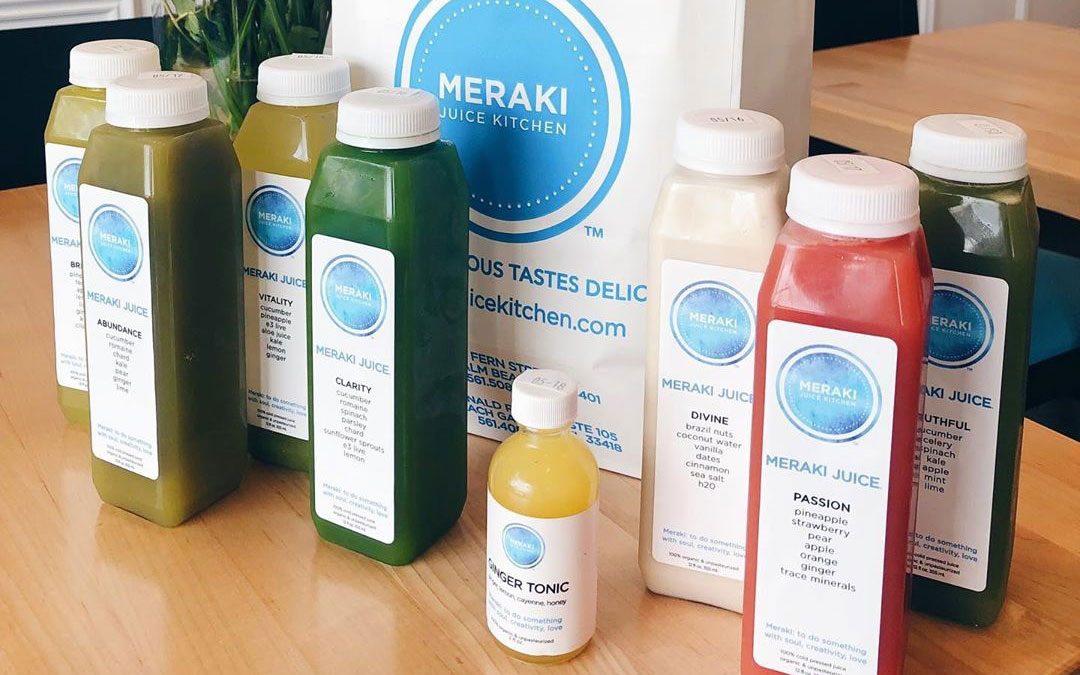
How long does cold pressed juice last? It depends on how the juice was treated and how you store it. Untreated, freshly pressed juice is a short-lived, refrigerated product. Juice that has been treated with high pressure processing (HPP) or heat pasteurization keeps longer, but the only reliable answer for any bottle is the date printed on it. Keep juice at or below 40°F, drink it by that date, and throw it out if it looks or smells off.
This article is part of our Cold-Pressed Juice Guide. Here is how to store juice before and after opening, what to know about freezing, and when to toss a bottle.
Storage at a glance
| Situation | What to do |
|---|---|
| Unopened bottle | Refrigerate at or below 40°F and drink by the date on the bottle. |
| Opened bottle | Cap it tightly, put it straight back in the fridge and finish it soon. |
| Juice has separated | Normal. Shake well before drinking. |
| Shipment just arrived | Unpack and refrigerate right away. |
| Left out more than 2 hours | Throw it out (1 hour if it was above 90°F). |
| Mold, off smell or anything suspicious | Throw it out. |
Why treatment changes how long juice keeps
Cold-pressed describes how juice is made, not how long it keeps. What matters for storage is whether the juice was treated after pressing. For the basics, see what cold-pressed juice is.
Untreated juice
When produce is pressed raw, bacteria from the fruits and vegetables can end up in the juice. Some stores, farmers’ markets and juice bars sell packaged juice that has not been pasteurized. These untreated products should be kept refrigerated and must carry a warning that the product has not been pasteurized and may contain harmful bacteria (source).
HPP juice
High pressure processing uses pressure instead of heat. Under the FDA’s juice HACCP rules, juice processors must use a process that achieves at least a 5-log, or 100,000-fold, reduction in the most resistant pathogen of concern. High pressure is one of the control measures the FDA names that can reach that standard (source). Meraki juices are Certified HPP. HPP juice is still a fresh, refrigerated product, so it belongs in the fridge from the moment you get it.
Heat-pasteurized juice
Most juice sold in the United States is pasteurized with heat. Treated juice can be found in refrigerated sections, frozen food cases or on regular shelves, depending on the product and its packaging (source). Always go by the label.
Keep it cold: at or below 40°F
The FDA recommends keeping your refrigerator at or below 40°F (4°C) and using an appliance thermometer to check, since that is the best way to know the real temperature (source). Juice that needs refrigeration should not sit at room temperature for more than two hours, or one hour if the air is above 90°F.
Cold storage matters even for treated juice. The FDA has warned that refrigerated low-acid juices, such as carrot juice, can pose a risk of botulism if they are left unrefrigerated for an extended period, and it recommends that these juices carry a “Keep Refrigerated” statement (source). If a bottle says keep refrigerated, treat that as a firm rule.
Follow the date on the bottle
You will see plenty of day counts online. Ignore them. Shelf life depends on the ingredients, processing and the producer’s own testing, so a general number cannot tell you about the bottle in your hand. The FDA explains that a “use by” date is the date the manufacturer recommends for the best flavor or quality (source).
For Meraki juice, check the date printed on each bottle and drink it by then. Keep bottles cold the whole time, because a date assumes proper refrigeration.
After you open a bottle
- Cap it and put it back right away. Pour a glass and return the bottle to the fridge.
- Finish it soon. Flavor fades once a bottle is open. Never drink it past the printed date.
- Shake before every pour. Pressed juice naturally separates as pulp settles. Separation is normal and is not a sign of spoilage.
Green juices are especially likely to settle into layers. Our green juice guide covers what goes into them and how to pick one.
Can you freeze cold-pressed juice?
You can, but think of freezing as a way to hold onto juice you will not finish, not a way to make it safer. The FDA notes that freezing does not kill most bacteria; it stops them from growing. Quality also declines the longer food stays in the freezer, and the freezer itself should be at 0°F (-18°C) (source).
- Freeze juice before its date, not after.
- Liquid expands as it freezes, so leave room at the top of the container.
- Thaw it in the refrigerator rather than on the counter, so it stays cold.
- Expect some change in texture and flavor. Shake well and drink it promptly.
Receiving juice by mail
Meraki ships online orders Monday through Wednesday. When your box arrives, unpack it and move every bottle into the refrigerator right away. Try to have someone bring the box inside so it does not sit on a porch.
If a bottle is leaking, damaged, or the package arrives with bottles that feel warm, do not drink it. Reach out to us instead. Curious how fresh orange juice compares with the grocery store kind? Read cold-pressed orange juice vs. store-bought. Stocking a hotel, spa or café fridge? Our wholesale cold-pressed juice buyer’s guide is written for businesses.
Signs it is time to toss it
- It is past the date on the bottle.
- You see mold. The FDA points out that mold can grow even under refrigeration.
- It smells sour, yeasty or unusual.
- It tastes fizzy or fermented when it should not.
- The bottle or cap looks swollen or bulging.
- It sat out of the fridge for more than two hours.
The FDA’s advice is simple: anything that looks or smells suspicious should be thrown out (source). When in doubt, pour it out.
Who should drink only treated juice
The FDA warns that children, older adults, pregnant women and people with weakened immune systems risk serious illness from drinking untreated juice (source). If you or someone you are serving falls into one of these groups, choose juice that has been pasteurized or otherwise treated, such as HPP juice, and check labels for the unpasteurized warning.
Frequently asked questions
How long does cold-pressed juice last in the fridge?
It varies by product and processing. Follow the date printed on the bottle and keep it at or below 40°F.
Is it bad if my juice has separated?
No. Separation is normal, so shake well. Mold, an off smell or a fizzy taste are the signs to watch for.
Can I drink juice that was left out overnight?
No. Juice that needs refrigeration should not sit at room temperature for more than two hours, or one hour above 90°F. Throw it out.
Does HPP juice need to be refrigerated?
Yes. HPP juice like ours is a fresh, refrigerated product. Keep it cold from delivery until you drink it.
Shop fresh Meraki juice
Our Certified HPP juices are made in our plant-based kitchen in West Palm Beach and ship nationwide Monday through Wednesday. Start with a green like Clarity or Abundance, a fruit-forward bottle like Passion or Mango Magic, or Energy with beet, apple, carrot and lemon. Want to try a full lineup? The Meraki Juice Cleanse includes 3 green juices, 3 fruit juices and 1 tonic for one day.
Keep reading: explore every article in our Cold-Pressed Juice Guide.
This article is for general information and is not medical advice. Talk with your health care provider before making changes to your diet, especially if you are pregnant, breastfeeding, or taking medication.