
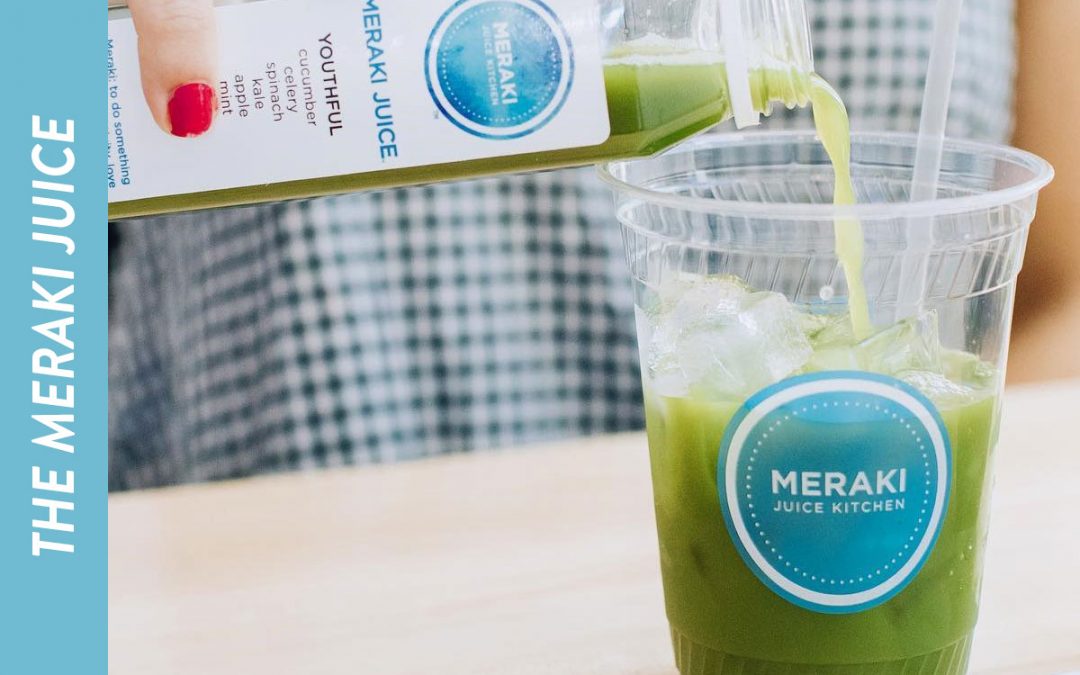
Green juice is juice pressed mostly from green vegetables and leafy greens, such as cucumber, celery, kale, spinach and parsley, usually brightened with lemon and sometimes softened with fruit like apple, pear or pineapple. The right green juice for you comes down to taste and how much fruit you want in the bottle. This guide is part of our Cold-Pressed Juice Guide, and it covers common ingredients, how to read a label, and how our four green juices compare.
What is green juice?
Green juice is a broad name, not one fixed formula. Some green juices are vegetable-forward, made almost entirely from vegetables and greens with a little citrus. Others are fruit-forward, with greens added to a sweeter base of apple, pear or pineapple. Both can be delicious. They just taste different and suit different people.
Many green juices are cold-pressed, which means the produce is pressed to release its juice rather than spun with fast blades. If you are new to the term, start with what is cold-pressed juice?
Common green juice ingredients and what they bring
- Cucumber: mild, fresh and watery. It softens stronger greens and makes a light base.
- Celery: savory, slightly salty and herbal.
- Kale: deep, earthy and a little bitter.
- Spinach: soft and mild with a slightly mineral taste.
- Chard: earthy, similar to beet greens.
- Parsley: bright, peppery and very green.
- Mint: cool and refreshing.
- Lemon: tart and lively. It lifts grassy flavors.
- Ginger: warm, spicy bite.
- Apple or pear: gentle sweetness that rounds out bitterness.
- Pineapple: tropical sweetness with a tangy edge.
- Grapefruit: tart, slightly bitter citrus.
How to read a green juice label
Look at the first few ingredients
On packaged foods, ingredients are listed in descending order of predominance by weight (source). If vegetables lead the list, expect a greener, less sweet juice. If apple, pineapple or another fruit comes first, expect something sweeter.
Check for added sugar
The Nutrition Facts label shows added sugars as “Includes __g Added Sugars.” The FDA counts sweeteners, syrups, honey and sugars from concentrated fruit or vegetable juices as added sugars (source). The 2025-2030 Dietary Guidelines for Americans say no amount of added sugars is recommended as part of a healthy diet (source). Drinks that only contain some juice must also state the percentage, such as “Contains 50 percent apple juice” (source).
Find out how it was treated
According to the FDA, most juice sold in the United States is pasteurized (heat-treated) to kill harmful bacteria. Packaged juice that has not been treated must carry a warning label, while juice sold by the glass at places like juice bars and farmers’ markets does not need one (source). Juice sold to other businesses must reach a 100,000-fold (5-log) reduction in harmful microorganisms, and high pressure processing (HPP) is one accepted way to do that without heat (source).
Check the date and keep it cold
Follow the date on the bottle and keep juice refrigerated. Our guide on how to store cold-pressed juice covers the details.
Meraki green juices compared
We make four green juices. All of our juices are Certified HPP. Here is exactly what is in each one.
| Juice | Ingredients | Flavor style | Where to get it |
|---|---|---|---|
| Clarity | Cucumber, kale, spinach, parsley, chard, lemon | All vegetables plus lemon. The greenest-tasting of the four. | 12 oz bottle |
| Abundance | Cucumber, chard, kale, pear, ginger, lemon | Earthy greens softened by pear, with a little ginger warmth. | 12 oz bottle |
| Vitality | Cucumber, pineapple, kale, lemon, ginger | Tropical and sweeter, with kale in the background. | 12 oz bottle |
| Gratitude | Celery, spinach, parsley, kale, apple, grapefruit, lemon, mint | Savory celery and herbs, tart grapefruit, a touch of apple and mint. | Only in the Meraki Juice Cleanse |
New to green juice? Vitality is the friendliest start. Want no fruit at all? Choose Clarity. Somewhere in between? Try Abundance.
Is green juice good for you?
Green juice can be an easy, enjoyable way to include more vegetables in your day. Leafy greens such as spinach and kale are natural sources of vitamin K (source). Still, juice is not a stand-in for whole produce. The Dietary Guidelines advise eating whole vegetables and fruits in their original form and say 100% fruit or vegetable juice should be consumed in limited portions or diluted with water (source).
Fiber is a big part of that difference. The American Academy of Pediatrics notes that whole fruits also provide fiber and other nutrients (source). Think of green juice as one part of an eating pattern that still includes plenty of whole vegetables and fruits.
Who should talk to a doctor first
- If you take warfarin (Coumadin): The NIH Office of Dietary Supplements advises keeping the amount of vitamin K you get from food and supplements about the same every day (source). Leafy green juices can change that, so talk with your doctor before adding them regularly.
- If you have calcium oxalate kidney stones: The NIH lists spinach among high-oxalate foods (source). Clarity and Gratitude both contain spinach, so ask your doctor first.
- If you take prescription medication: Gratitude contains grapefruit. The FDA warns that grapefruit juice can interact with some drugs, including certain statins and blood pressure medications, and advises asking your doctor or pharmacist (source).
- If you are pregnant, older, or have a weakened immune system, or are buying for children: The FDA says these groups risk serious illness from untreated juice (source). Choose pasteurized or HPP-treated juice and check labels for the warning statement.
Frequently asked questions
What is usually in green juice?
Most green juices start with cucumber or celery, add leafy greens like kale, spinach or chard, and finish with lemon. Many also include fruit, ginger or herbs such as parsley and mint.
Does green juice have sugar?
Fruits and vegetables contain natural sugars, so the more fruit in the ingredient list, the sweeter the juice tastes. Check the Nutrition Facts label for total and added sugars. None of our four green juices lists a sweetener among its ingredients.
Is cold-pressed green juice more nutritious than other juice?
Not necessarily. A 2019 study comparing cold-pressed and centrifugal juicing of fresh fruit juices found no significant differences in the vitamin C, phenolics, carotenoids or antioxidant capacity measured (source). Choose based on flavor, freshness and ingredients. For a citrus take on the same question, see cold-pressed orange juice vs. store-bought.
How long does green juice last?
Follow the date on the bottle and keep it refrigerated. See how to store cold-pressed juice for more.
Try our green juices
Our cold-pressed juices are made in our West Palm Beach kitchen, are Certified HPP, and ship nationwide. Start with Vitality for pineapple and ginger, pick Abundance for pear-softened greens, or go all in with Clarity. To taste Gratitude, order the Meraki Juice Cleanse, a one-day set of 3 green juices, 3 fruit juices and 1 tonic.
Keep reading: explore every article in our Cold-Pressed Juice Guide.
This article is for general information and is not medical advice. Talk with your health care provider before making changes to your diet, especially if you are pregnant, breastfeeding, or taking medication.