
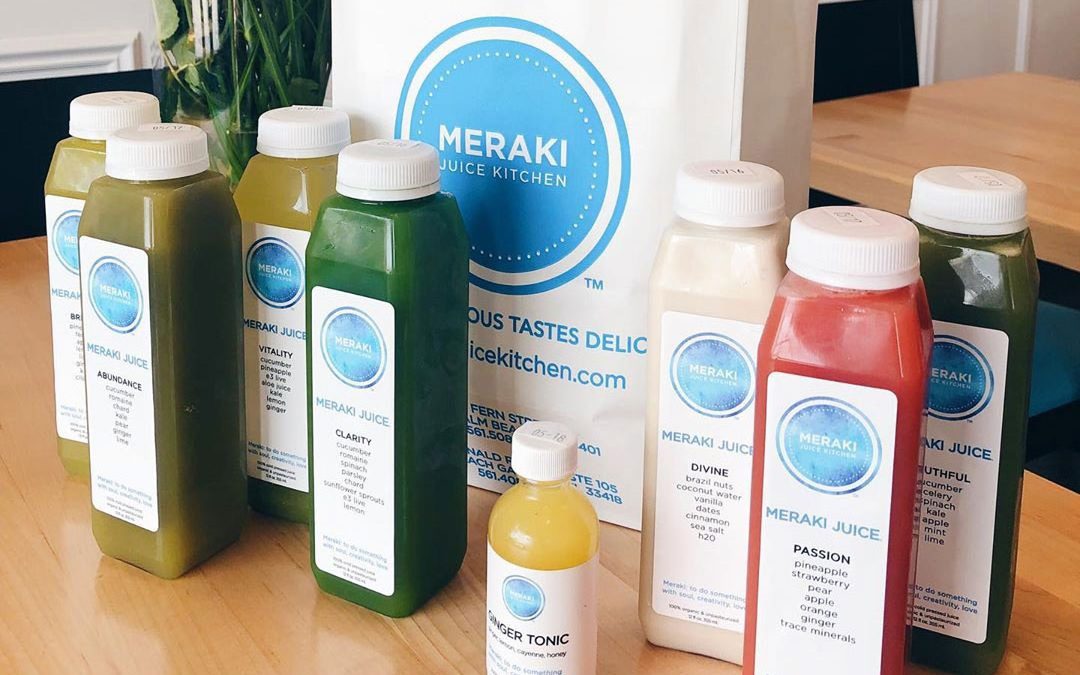
A ginger shot is a small, 1 to 3 ounce serving of fresh-pressed ginger root, usually mixed with lemon and sometimes a touch of sweetness or spice. It is meant to be taken in one or two quick sips. It is bright, spicy and a little bit of a wake-up call, which is exactly why so many people have made it part of their morning.
This article is part of our Wellness Shots Guide.
We have been pressing ginger in our West Palm Beach kitchen since 2015. This guide covers what a ginger shot actually is, what the research does and does not say about ginger, who should be careful, and the easiest ways to enjoy one.
What is a ginger shot?
At its simplest, a ginger shot is concentrated juice from fresh ginger root. Because ginger on its own is very strong, most shots add:
- Lemon or lime for brightness and to balance the heat
- A little sweetness such as agave, honey, or orange or apple juice
- Optional spice such as a pinch of cayenne or black pepper
- Optional turmeric, which turns it into a ginger turmeric shot
Shots are small on purpose. Fresh ginger has a lot of heat, and a few ounces is plenty for most people.
Ginger shot vs. ginger tea vs. ginger juice
| Ginger shot | Ginger tea | Ginger juice drink | |
|---|---|---|---|
| Serving size | 1 to 3 oz | 8 to 12 oz | 8 to 16 oz |
| How it’s made | Pressed or blended raw root | Ginger steeped in hot water | Ginger pressed with other fruits or vegetables |
| Flavor | Very spicy and concentrated | Mild and warming | Balanced, easy to sip |
| Meraki example | Ginger Tonic | — | Ginger-Aid (ginger, lemon, light agave, water) |
What the research says about ginger
You will see a lot of big promises about ginger shots online. We would rather be straight with you. Here is what the U.S. National Center for Complementary and Integrative Health (NCCIH), part of the National Institutes of Health, reports as of its February 2025 update (source):
- Nausea during pregnancy: Research shows ginger may be helpful for nausea and vomiting associated with pregnancy. Anyone who is pregnant should check with their health care provider first.
- Menstrual cramps and knee osteoarthritis: Ginger supplements might help reduce the severity of menstrual cramps and knee osteoarthritis symptoms. Note that these studies used supplements, not shots.
- Motion sickness: Most studies have not shown ginger to be helpful.
- Nausea from chemotherapy or after surgery: The evidence is uncertain.
- Colds, flu and general indigestion: There is not strong evidence either way.
Most ginger shots also include lemon, which adds vitamin C. According to the NIH Office of Dietary Supplements, vitamin C helps the body make collagen, helps absorb iron from plant foods, and plays a role in normal immune function. The same fact sheet notes that for most people, vitamin C supplements do not reduce the risk of getting a cold (source).
The honest takeaway: a ginger shot is a flavorful, fresh, plant-based habit, not a cure for anything. We love them because they taste alive and they make it easy to start the day with real produce.
Who should be careful with ginger shots
Ginger is a common food and has been used safely in many research studies. Concentrated shots are still strong, so keep these points in mind:
- Stomach sensitivity: NCCIH lists abdominal discomfort, heartburn, diarrhea, and mouth or throat irritation as possible side effects. Start with a small sip, and have it with food if your stomach is sensitive.
- Medications: NCCIH advises anyone taking medicine to talk with a health care provider before using ginger or other herbal products, because some herbs and medicines interact. This matters most if you take blood thinners or diabetes medication.
- Pregnancy and breastfeeding: Talk with your provider first.
- Untreated juice: The FDA notes that juice that has not been pasteurized or otherwise treated can carry harmful bacteria, and that children, older adults, pregnant women and people with weakened immune systems are most at risk (source). Choose shots that are pasteurized or HPP-treated. Our tonics are Certified HPP.
How to take a ginger shot
- Shake it first. Ginger settles to the bottom.
- Take it cold. Chilled shots are smoother.
- Any time works. There is no magic hour. Many people enjoy one with breakfast.
- Chase it with a sip of water or a green juice like Clarity if the heat is a lot at first.
Learn more about wellness shots
Curious what else goes into a shot? Read what’s in a wellness shot, compare ginger vs. turmeric shots, or take our honest look at whether wellness shots are worth it.
Frequently asked questions
How big is a ginger shot?
Usually 1 to 3 ounces. Our Ginger Tonic is a 3 oz bottle.
Can I have a ginger shot every day?
Ginger is a common food, and many people enjoy a shot daily. If you take medication, are pregnant, or have a sensitive stomach, check with your health care provider first.
What is in Meraki’s Ginger Tonic?
Pineapple, ginger, lemon and cayenne, in a 3 oz bottle. If you want turmeric too, try the Meraki Wellness Shot.
Why are ginger shots so spicy?
Ginger gets its sharp flavor from compounds called gingerols (source), and many shots, including our Ginger Tonic, add cayenne. Sipping it slowly or following it with water can take the edge off.
Try ours
We make our tonics in our West Palm Beach kitchen and ship them nationwide. Try the Ginger Tonic (pineapple, ginger, lemon and cayenne), or taste all three with the Tonic Bundle: one 2 oz Ginger Tonic, one 2 oz Turmeric Tonic and one 2 oz Meraki Wellness Shot.
Keep reading: explore every article in our Wellness Shots Guide.
This article is for general information and is not medical advice. Talk with your health care provider before making changes to your diet, especially if you are pregnant, breastfeeding, or taking medication.